Chapter 3, things to do
Summer Learning Activities for Kids: Indoor, Outdoor and Free
The best summer learning activities feel like play. This page collects indoor, outdoor and free ideas that quietly use reading, writing and math, sorted by age so you can pick one in a minute.
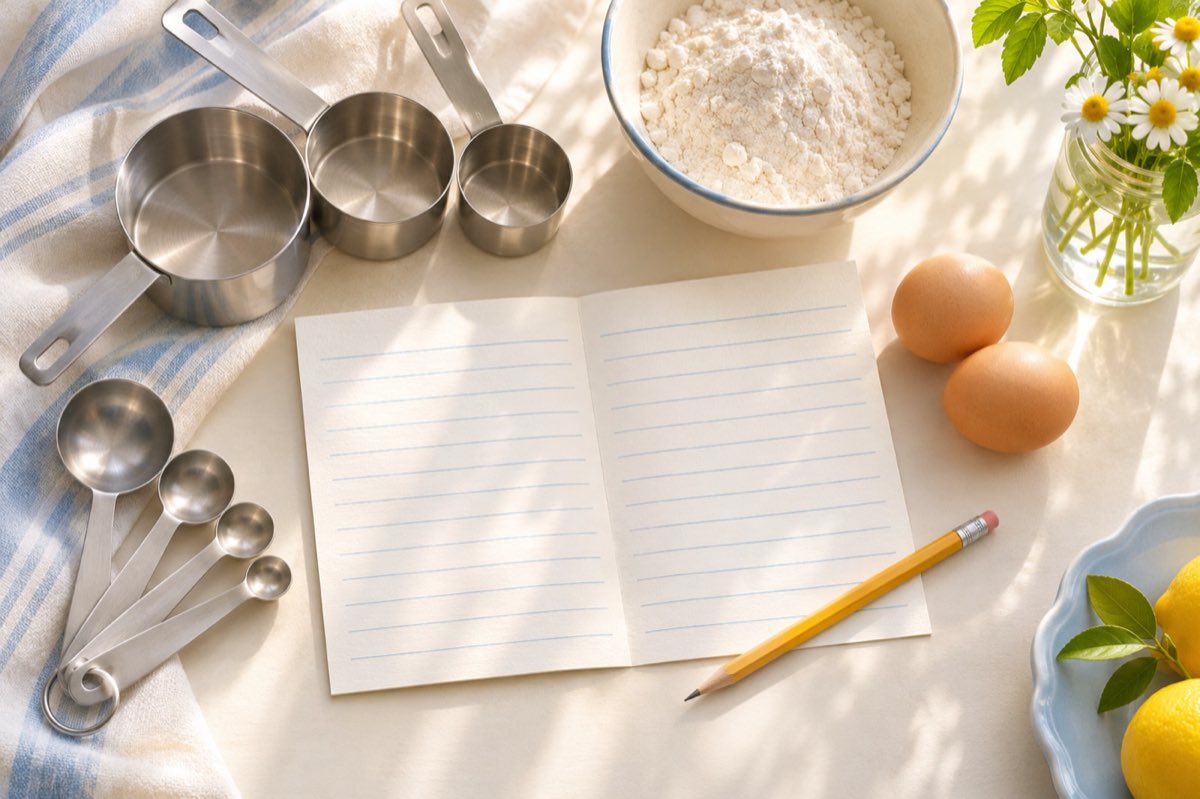
Indoor summer learning activities for kids at home
Good indoor activities use the kitchen, the bookshelf and the table: cooking, board games, journaling, building and simple experiments. They are ideal for hot days and rainy afternoons.
Brookings and NWEA both describe the strongest summer programs as ones that blend academic content with hands-on or recreational activities. At home that translates into projects with a product at the end: a meal, a model, a story, a game.
- Cook something from a recipe. Reading the steps, measuring, timing and fractions are all in one activity. Let the child plan the menu.
- Start a summer journal. Three sentences a day, a drawing, a ticket stub. It is writing practice that does not feel like it.
- Play a board or card game on a set evening. Counting, strategy and fair turn-taking come free.
- Build something. A cardboard city, a marble run or a model needs measuring, planning and trial and error.
- Kitchen science. Floating and sinking, growing crystals, making ice melt faster. Ask the child to predict first and write down what happened.
- Write real letters. A postcard to a grandparent or friend is writing with an audience.
- Create a family quiz or comic. Making questions is harder than answering them.
Outdoor summer learning activities for kids
Outdoor learning means measuring, counting, observing and exploring in a garden, park, street or beach. Nature journals, scavenger hunts and gardening are easy starting points.
- Nature journal. Sketch a leaf, note the weather, count the bird species seen in ten minutes.
- Garden math. Measure how much a bean plant grows each week and plot the numbers on a simple chart.
- Scavenger hunt with clues. A child writes clues for a sibling; reading and writing in one game.
- Sidewalk chalk number lines, hopscotch and times tables. Great for younger children.
- Stargazing or moon watching. Draw the moon's shape each night for two weeks and talk about why it changes.
- Walk to a market or park. Give the child a small budget and a list; they do the sums and the reading of labels.
- Water play measurement. Buckets, cups and bottles teach volume better than a worksheet.
What are some fun activities for kids during the summer?
Fun and learning overlap more than parents expect. Water play, baking, building dens, treasure hunts, library visits, picnics with a book and camping in the backyard all count. The only extra step that turns fun into learning is a small prompt: ask the child to estimate, to explain or to write one line afterward.
Free and low-cost summer learning activities
The cheapest option is usually the public library; after that, parks, community events, recycled materials and your own kitchen. Free summer learning activities for kids are everywhere once you start looking.
- Public library. Borrowing is free, and many libraries run summer reading challenges. The American Library Association describes summer reading programs as a long-standing way to keep children reading, using the library and building reading habits. See summer reading programs for kids.
- Book swaps. Organize a swap with neighbors or classmates.
- Recycled materials. Boxes, tubes, bottle tops and old magazines turn into models, shops and board games.
- Parks and nature trails. Pick one new place a week and map the route together.
- Community events. Local councils, museums and libraries often list free sessions. Check their websites, since offers and dates change from year to year.
- Home skill swaps. A grandparent teaches knitting, a neighbor shows how to repair a bike.
If you want a wider plan, the prevention guide shows how these activities fit into a weekly routine.
Summer learning activities by age
Match the task to the stage: stories and play for the youngest, projects for the middle years, real responsibilities for teenagers.
Ages 3 to 6
Play shop, count stairs, bake simple recipes, read picture books daily, make shape collages, name letters on road signs.
Ages 7 to 10
Start a family chapter book, run a pretend shop, keep a plant diary, play strategy games, build with kits, try a short coding puzzle on paper.
Ages 11 to 13
Plan a day trip with a budget and timetable, start a blog or comic, learn to cook one dish well, track a sport's statistics, begin a photography project.
Ages 14 and up
Volunteer, take a short course, read a classic or a graphic novel, plan a bike route, learn a practical skill like basic repairs or budgeting, or start a small project that matters to them.